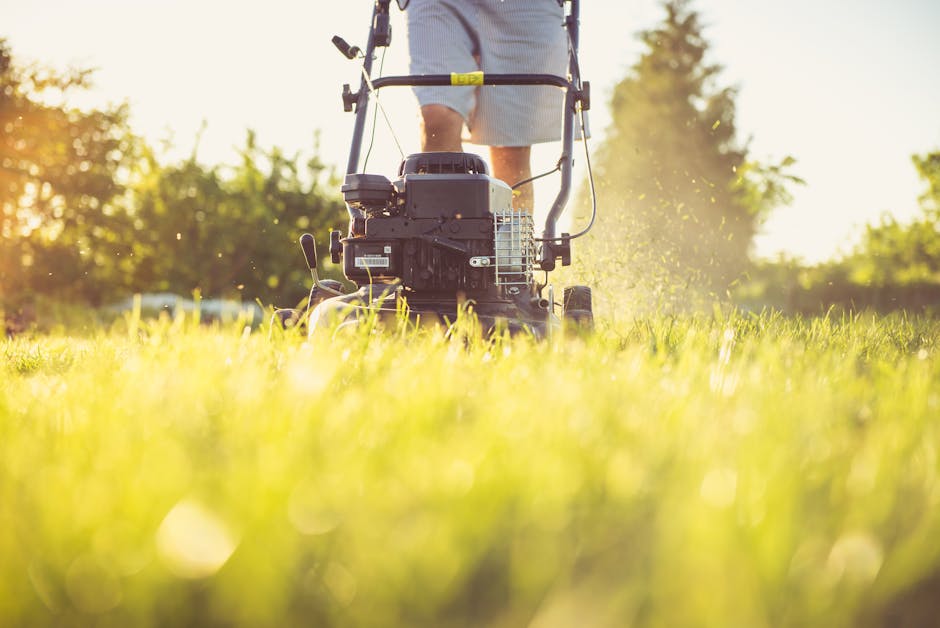
Low maintenance lawn care routines for busy homeowners
Busy weeks have a habit of turning a lawn from "nice to have" into "I'll deal with that later." Then suddenly the grass is patchy, the edges are messy, and the whole garden starts asking for attention at the worst possible moment. The good news is that low maintenance lawn care routines for busy homeowners do not need to be complicated. In fact, the best routines are usually the simplest ones: consistent, light-touch, and built around what actually fits into real life.
This guide breaks down how to keep a lawn looking cared for without spending every Saturday afternoon outside with a mower in your hand. You'll see what matters most, what to ignore, and how to build a routine that works even when time is tight. And yes, there is a way to keep the grass decent without turning your weekends into a second job.
Contents
- Why it matters
- How it works
- Key benefits and practical advantages
- Who this is for and when it makes sense
- Step-by-step guidance
- Expert tips for better results
- Common mistakes to avoid
- Tools, resources and recommendations
- Law, compliance, standards, and best practice
- Options, methods, or comparison table
- Case study or real-world example
- Practical checklist
- Conclusion
- Frequently asked questions
Why Low maintenance lawn care routines for busy homeowners Matters
A tidy lawn does more than make a garden look "finished". It sets the tone for the whole outdoor space. When the grass is healthy, the rest of the garden tends to feel calmer too. When it is neglected, everything else looks slightly out of place, even if the borders and patio are fine.
For busy homeowners, the real issue is not whether a lawn can be improved. It usually can. The problem is finding a routine that does not collapse after a hectic week, school runs, a rainy spell, or that classic British moment when you look outside and think, it's actually fine... until it isn't.
Low-maintenance lawn care is about reducing friction. Instead of chasing perfection, you focus on a few high-impact habits that keep growth manageable, weeds under control, and the surface resilient. That approach works particularly well in typical UK gardens where weather shifts, shade, and compacted soil can all affect grass growth in ways that are hard to predict.
If your garden also includes other features that demand attention, it can help to think holistically. For example, a broader garden maintenance routine often makes lawn care easier because you deal with edges, debris, and problem areas before they become bigger jobs. If overgrowth has already built up, a one-off garden clearance can reset the space and make a low-effort plan realistic again.
Truth be told, a lawn usually needs less than people think - but it does need the right less.
How Low maintenance lawn care routines for busy homeowners Works
The idea is simple: keep the lawn in a stable condition so small problems do not snowball. Rather than reacting to every change in weather or every sign of uneven growth, you build a repeatable routine around the basics.
That usually means:
- mowing at a sensible height rather than cutting too short
- watering only when the lawn genuinely needs it
- feeding lightly and at the right time of year
- controlling weeds before they spread
- removing moss, debris, and fallen leaves
- checking bare spots before they get worse
Low-maintenance does not mean no maintenance. It means choosing tasks that prevent heavier work later. A lawn that is cut too short, for instance, will often need more watering, may brown off quicker in dry spells, and can become more vulnerable to weeds. Slightly longer grass tends to be more forgiving. Not glamorous, but sensible.
For many homes, the best routine is a hybrid one: regular mowing handled either by the homeowner or a reliable lawn mowing service, plus occasional seasonal tasks done in short bursts. That mix keeps the garden neat without creating a constant to-do list hanging over your head.
There is also a design angle. A well-planned border, hard edge, or path can reduce the amount of lawn you have to manage. If you are thinking longer term, landscaping or landscape gardening can make a big difference by shrinking awkward lawn shapes and making access easier.
Key Benefits and Practical Advantages
The appeal of low-maintenance lawn care is not just time-saving, though that is a big part of it. It also makes the garden more predictable. And predictable is lovely when your week already feels full enough.
- Less weekend pressure: You are not starting from scratch every time you step outside.
- Better-looking kerb appeal: Even a simple, tidy lawn lifts the whole front or back garden.
- Lower risk of damage: Grass kept at a sensible height is usually more resilient.
- Fewer rescue jobs: Regular light care is easier than an occasional major repair.
- More flexibility: If work, family, or travel gets in the way, the lawn does not fall apart immediately.
There is also a financial side, although costs vary by garden size and condition. A routine that prevents overgrowth, bare patches, or invasive weeds often reduces the need for more intensive interventions later. That does not mean every extra hour of care is wasted. It means consistency generally beats panic.
In practical terms, a low-maintenance lawn is easier to live with. You can let children or pets out without constantly thinking, "Oh no, not yet - it needs sorting first." That matters more than many people admit.
Who This Is For and When It Makes Sense
This approach is especially useful if you are juggling work, commuting, children, travel, or just a busy household. It also suits people who want a smart-looking garden without becoming fully absorbed by it. Not everyone wants to be out there dead-heading, edging, and hand-weeding every week. Fair enough.
Low-maintenance routines make sense for:
- homeowners with limited time but reasonable standards
- small gardens where even minor neglect becomes obvious quickly
- larger lawns that would take too long to manage manually
- front gardens where presentation matters but time is tight
- family gardens that need to stay usable, not just neat
- older homeowners who want less physical strain
It also makes sense if you are dealing with a lawn that has become harder to manage because of shade, uneven ground, compacted soil, or heavy foot traffic. In those cases, the goal is not to force a high-maintenance routine onto a difficult site. That usually ends badly. Better to simplify the routine, and if needed, make small changes to the garden layout or surface conditions.
If the whole outdoor space is feeling too much, a broader service such as services overview can help you see what can be handled once, what should be recurring, and what is simply better left to professionals.
Step-by-Step Guidance
Here is a practical routine that works well for busy households. It is intentionally light. No drama, no elaborate lawn calendar pinned to the fridge.
1. Mow little and often, not short and rarely
Most lawns do better when trimmed regularly at a sensible height. Cutting too much in one go can stress the grass and leave it looking ragged. If you are busy, aim for a routine you can actually sustain rather than an ideal schedule you abandon after two weeks.
A weekly mow in the growing season is often enough for many gardens, though some will need more or less depending on light, rainfall, soil, and grass type. In slower months, mowing may be less frequent. That's normal.
2. Keep the edges under control
Edges make a lawn look cared for even when the rest is fairly simple. You do not need perfect, crisp lines every time. Just keeping grass from spilling into borders, paving, or driveways makes a noticeable difference.
If edges are one of your pain points, a periodic professional visit for hedge trimming nearby can help the whole garden look more orderly, because overgrowth in one area often makes the lawn look rougher than it really is.
3. Water only when it is needed
In the UK, lawns often get enough moisture from rainfall for much of the year. During dry periods, a deep watering is usually more useful than a quick sprinkle. Early morning is generally a better time than late evening, because it reduces evaporation and helps avoid the lawn sitting wet for too long.
Busy homeowners do best with a simple rule: if the grass is healthy enough and the weather is not exceptionally dry, do not overthink it. Overwatering can be as unhelpful as underwatering.
4. Feed lightly, seasonally
A lawn feed can help grass stay dense and green, but more is not always better. A light seasonal feed is usually enough for a low-maintenance routine. The point is to support the lawn, not to create a fertiliser regime worthy of a professional sports pitch.
Choose a feed that suits the season and follow the product guidance carefully. Too much feeding can encourage fast, weak growth that needs even more mowing later. Slightly annoying, that.
5. Remove debris before it becomes a problem
Leaves, twigs, and grass clippings can smother the surface if left for too long, especially in damp weather. A quick sweep or light rake saves trouble later. Think of it as a five-minute reset, not a big task.
6. Spot-treat weeds and thin patches early
Small weed patches are manageable. Large ones become a project. Same with bare spots. A little attention here and there keeps the lawn looking whole, even if it is not showroom-perfect.
For thin areas, overseeding can be useful in the right conditions. For persistent problems, it may be worth checking whether the soil is compacted or shaded rather than just adding seed and hoping for the best.
7. Review the lawn once each season
Every few months, take a short look at what is actually happening. Is the lawn getting too much shade? Is one corner always soggy? Are there dog paths, worn strips, or mossy patches? A quick seasonal review helps you adjust the routine before things become stubborn.
Expert summary: The easiest lawns to maintain are not always the prettiest ones in spring. They are the ones designed for ordinary people living ordinary, busy lives. Keep the surface healthy, keep the routine simple, and do not fight the garden more than necessary.
Expert Tips for Better Results
A few small choices make a surprising difference. These are the details that often separate a decent low-effort lawn from a patchy one.
- Raise the mower height in dry spells. Longer grass shades the soil and helps retain moisture.
- Keep mower blades sharp. A clean cut is healthier than a torn one. It also looks nicer, which is not nothing.
- Do not scalp the lawn before holidays. It might seem tidy, but it usually backfires.
- Use a mulching or collecting approach deliberately. Mulching can return nutrients, but collecting is better when the lawn is damp or the cuttings are heavy.
- Fix drainage and shade issues where possible. Repeated moss or yellowing is often a site issue, not just a mowing issue.
If you have a lot of other garden features, keeping the whole outdoor space simple is often the real win. For example, a clean perimeter, uncluttered borders, and a sensible layout reduce the amount of "maintenance noise" in the garden. Even a path or seating area can be a smart anchor point. A garden with a bit of structure tends to feel less demanding.
And yes, sometimes the expert tip is just: stop trying to make a difficult lawn behave like an easy one.
Common Mistakes to Avoid
Low-maintenance routines go wrong when homeowners accidentally create more work for themselves. Usually it is not from laziness. It is from trying to do too much at once, or doing the right task in the wrong way.
Cutting too short
This is probably the most common mistake. Short grass may look neat briefly, but it can weaken the lawn and invite stress, weeds, and dryness.
Leaving mowing too long between cuts
Then the lawn becomes uneven and heavy. The mower struggles, the clippings clump, and you end up spending longer than if you had just stayed on top of it.
Ignoring moss and compaction
If the lawn stays wet or shady, moss may spread. If the soil is packed down, grass roots struggle. These are not cosmetic issues only; they are performance issues.
Using every product at once
Feed, weed killer, lawn tonic, moss treatment, seed... you name it. More is not always better. A simple, measured approach is usually safer and easier to maintain.
Expecting one weekend to solve everything
The "reset the whole garden in a day" plan is seductive. Then Sunday evening arrives, your back hurts, and half the job is still sitting there. Better to pace it.
Forgetting the wider garden
Sometimes the lawn is not the real issue. Overgrown shrubs, a neglected hedge, or debris around the edges can make the whole space feel untidy. A little outside help with ongoing garden care can keep the bigger picture under control.
Tools, Resources and Recommendations
You do not need a garage full of specialist kit. In fact, low-maintenance lawn care works best when the toolset is small and reliable.
| Tool or resource | Why it helps | Low-maintenance note |
|---|---|---|
| Rotary or cylinder mower | Keeps grass at a steady height | Choose one you will actually use regularly |
| Light rake or leaf collector | Removes debris before it smothers the lawn | Quick to use after wet or windy weather |
| Spreader | Helps apply feed or seed evenly | Makes seasonal tasks less fiddly |
| Garden hose or sprinkler | Useful in dry spells | Best used sparingly and sensibly |
| Sharp edging tool | Gives the lawn a cleaner finish | Great for quick visual improvements |
If you prefer not to buy and store equipment, that is perfectly reasonable. Many homeowners simply combine a basic mower with occasional professional help. If you are comparing services or trying to understand what level of support fits your garden, the pricing and quotes page is a sensible place to start. It helps you match the work to your budget without guessing.
For gardens where debris, clippings, or old growth are a recurring headache, responsible waste handling matters too. The site's recycling and sustainability information is useful if you care about keeping garden waste managed thoughtfully rather than just piled up in bags for later.
Law, Compliance, Standards, and Best Practice
For ordinary homeowners, lawn care is not a heavily regulated activity in the way some trades are. Still, there are a few practical expectations worth keeping in mind, especially if you hire help or handle equipment yourself.
First, safe equipment use matters. Mowers, strimmers, and other garden tools can cause injuries if used carelessly. Keep blades maintained, wear suitable footwear, and follow manufacturer guidance. Nothing fancy. Just common sense, really.
Second, if you hire a garden service, it is sensible to ask how they approach safety, insurance, and working practices. A reputable provider should be able to explain this clearly. If you want to understand how a business handles those basics, the pages on insurance and safety and health and safety policy are useful reference points.
Third, garden work in the UK should be carried out with due care around neighbours, access paths, and waste. Noise, mess, and disposal are practical considerations, not just housekeeping details. A good routine keeps disruption low and leaves shared spaces tidy.
If you are commissioning work, it is also fair to check the business's terms, complaints process, and privacy information before you go ahead. That is not about being difficult. It is about knowing what to expect. The pages on terms and conditions, complaints procedure, and privacy policy help establish that trust.
Options, Methods, or Comparison Table
There is no single perfect method for every homeowner. The right routine depends on time, budget, garden size, and how much lawn you actually want to keep. Here is a simple comparison.
| Approach | Best for | Pros | Trade-offs |
|---|---|---|---|
| DIY basic routine | Homeowners with a little spare time | Low cost, flexible, easy to personalise | Can slip when life gets busy |
| Hybrid routine | Busy households that want consistency | Balanced effort, good for year-round upkeep | Requires some planning and occasional spend |
| Professional recurring mowing | People who want the least hassle | Reliable schedule, neat results, less physical effort | Ongoing cost, less hands-on control |
| Garden redesign | Very busy homeowners or difficult sites | Can reduce future maintenance dramatically | Higher upfront planning and investment |
For most busy homeowners, the hybrid approach is the sweet spot. It keeps the lawn in decent condition while giving you breathing room when work or family life gets in the way. If the garden has become more than a lawn problem, broader support from landscape gardening or landscaping may be the smarter long-term move.
Case Study or Real-World Example
Imagine a typical family garden in southwest London: a modest lawn, a narrow side return, a few shrubs, and not much free time. The homeowner wants the garden to look respectable, but not pristine in a way that demands half the weekend.
At first, the lawn is cut irregularly. One week it is left too long, the next week it gets taken down too short. Clippings are left behind after rain, and the edges drift into the border. Nothing dramatic, just a slow slide.
The fix is not a heroic makeover. It is a calmer routine:
- mow more often, but only lightly
- keep a simple edge line along the patio
- clear leaves after windy days
- apply a modest seasonal feed
- book occasional help for heavier maintenance
Within a few weeks, the space feels more manageable. Not perfect, just manageable. And that is the point. The homeowner stops feeling behind all the time. They can glance out of the kitchen window and think, "Yes, that's fine," which is honestly a small victory but a real one.
In some cases, the lawn itself is not the only issue. A tired hedge line or messy boundary can make even a decent lawn look neglected. That is where services like hedge trimming or a tidy-up through regular garden maintenance can lift the whole picture with surprisingly little fuss.
Practical Checklist
Use this checklist to keep your lawn routine lean and realistic.
- Choose one mowing day that you can usually stick to.
- Keep mower blades sharp and the cutting height sensible.
- Remove leaves and debris before they build up.
- Water deeply only when the lawn really needs it.
- Feed lightly, following the season and the product guidance.
- Deal with weeds while they are still small.
- Check for bare patches, moss, or compaction every few months.
- Keep edges tidy so the whole garden looks cared for.
- Use professional support when the job starts becoming too much.
- Review whether the lawn area itself is still practical for your lifestyle.
Quick takeaway: the best low-maintenance lawn routine is not the most ambitious one. It is the one you will still be doing three months from now, without groaning every time you look outside.
Get a free quote today and see how much you can save.
Conclusion
Low maintenance lawn care routines for busy homeowners are all about keeping things steady. You do not need a perfect lawn to have a pleasant garden. You need a routine that is light, sensible, and good enough to prevent small problems from multiplying.
Start with the basics: mow regularly, don't cut too low, keep the edges in check, and stay ahead of debris. Then adjust as needed for shade, weather, and the realities of your week. If the lawn or the wider garden needs more support than you can reasonably give it, that is not failure. It is just a sign that a simpler system, or a bit of help, would make life easier.
The nicest gardens are often the ones that feel calm rather than demanding. That's the real goal, isn't it?
Frequently Asked Questions
What is the easiest lawn care routine for a busy homeowner?
The easiest routine is regular mowing at a sensible height, occasional edging, light seasonal feeding, and quick debris removal. Keep it simple enough that you can repeat it without relying on spare time you probably do not have.
How often should I mow if I want a low-maintenance lawn?
Many lawns benefit from weekly mowing in the main growing season, then less often during slower growth periods. The exact schedule depends on weather, grass type, shade, and how quickly your lawn grows.
Should I cut the grass very short to reduce how often I need to mow?
No, cutting too short usually creates more work later. It can weaken the grass and make the lawn more prone to stress. A slightly higher cut is usually better for low-maintenance care.
Is it better to water a lawn a little every day or deeply once in a while?
Deep watering less often is generally more useful than frequent light watering. Shallow watering can encourage weak root growth. In the UK, many lawns do not need much watering unless the weather turns unusually dry.
What if my lawn is already patchy or uneven?
Start by identifying the cause. It may be shade, compaction, poor drainage, or simple wear. Small bare areas can often be overseeded, but if the problem keeps returning, the underlying conditions need attention.
Can I still have a neat lawn if I rarely have time at weekends?
Yes. A hybrid approach works well: simple self-care when you can, plus occasional professional help for mowing or heavier upkeep. That keeps things manageable without requiring a perfect schedule.
Do low-maintenance lawns need fertiliser?
Not always, but a light seasonal feed can help. The key is not to overdo it. Too much fertiliser can produce fast, weak growth and create more mowing, which is the opposite of what most busy homeowners want.
What should I do with leaves and clippings?
Remove them regularly, especially in wet weather. Heavy layers of leaves or clippings can smother the grass and encourage dull, unhealthy patches. A quick rake or collection pass is usually enough.
When is it worth paying for professional lawn care?
It is worth paying for help when the lawn is taking too much of your time, when you need reliable upkeep, or when the garden has become harder to manage than you want to handle yourself. If you are unsure, compare your options and the likely ongoing effort.
Are there any safety issues with DIY lawn care?
Yes, there can be. Mowers and other garden tools need to be used carefully, with sensible footwear and proper handling. If you hire a service, it is reasonable to ask about safety and insurance practices.
Can a garden redesign make lawn care easier?
Absolutely. Better layout, smarter borders, and reduced awkward lawn shapes can make maintenance much easier over time. In some gardens, redesigning part of the space is the most practical low-maintenance move of all.
What is the main mistake busy homeowners make with lawns?
The biggest mistake is letting the lawn swing between neglect and over-correction. A simple, consistent routine usually beats occasional big fixes. Small and steady wins here, every time.