Gardener Sanderstead: Recycling and Sustainability
At Gardener Sanderstead we combine practical horticulture with a clear commitment to an eco-friendly waste disposal area and a thriving sustainable rubbish gardening area. Our approach balances tidy, productive gardens with responsible disposal and reuse of green waste, ensuring the work we do in Sanderstead supports local circular economy goals. We prioritise low-impact operations and community partnerships to keep garden waste out of landfill and returning nutrients to soil.We target a progressive recycling percentage target across all gardening activities: 65% recycling and reuse of garden waste by 2030. This target includes composting on site, mulching for reuse, segregating recyclable materials and diverting non-compostable items to the appropriate facilities. Our aim as a Sanderstead gardener service is to steadily increase diversion rates year on year through improved collection systems and staff training.

Local transfer stations and borough-level waste separation
We work closely with local transfer stations and civic amenity sites serving Croydon and neighbouring boroughs to manage non-compostable residues. The boroughs’ approach to waste separation — separate bins for dry recycling, food waste and residual waste — informs our site sorting. Light recycling activities we support include glass, metals, clean timber and bulky green waste handover to authorised transfer stations so materials can be processed efficiently.Practical on-site recycling and sustainable rubbish gardening area
On-site we maintain clearly labelled bays for different streams: green waste for composting, clean wood for chipping, plastics and pots for recycling, and a small hazardous bin for oils or treated timber. The sustainable rubbish gardening area is physically separated from production beds and protected by signage, with regular audits to ensure streams are clean and recyclable loads remain uncontaminated.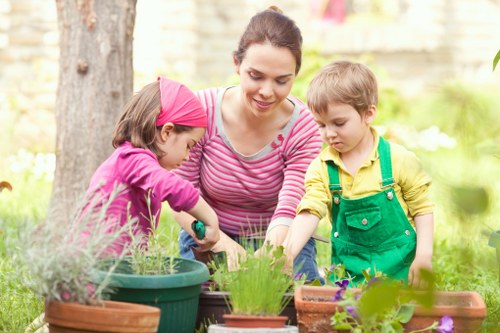 We integrate low-tech and high-impact solutions: aerobic compost bays, hot composting for disease control, and mulching machines for woody trimmings. These processes reduce haulage and enable immediate reuse of organic matter, lowering carbon emissions from transport and fertiliser production. As a gardener in Sanderstead committed to sustainability, we emphasise that every tonne of compost produced locally lowers the community’s carbon footprint.
Partnerships are core to our model. We collaborate with local charities and volunteer groups to reuse surplus plants, pots and soil where appropriate. Strong partnerships with community organisations enable us to donate usable materials to social projects and community gardens, ensuring a second life for many items and reducing waste sent to transfer stations.
 Transport and low-carbon logistics — to reduce emissions from collection and deliveries we are rolling out low-carbon vans across our fleet. These include electric and plug-in hybrid vehicles used for local rounds in Sanderstead and nearby wards. Low-carbon vans not only lessen the environmental impact of garden waste collection but also demonstrate that sustainable gardening services can be delivered with minimal air pollution and noise disturbance.
We track results with measured KPIs: percentage of garden waste diverted to compost, tonnes of mulch reused, number of items donated through charity partners, and fleet miles driven on low-carbon power. Regular reporting helps us move towards the recycling percentage target and supports transparency about progress in our sustainable rubbish gardening area.
 Key activities and how you might see them locally:
- Separate collection points for green waste, wood and recyclable pots at our job sites.
- On-site composting and chipping to create mulch and soil improver for reuse.
- Transfers to local transfer stations and civic amenity sites when materials cannot be processed on site.
- Donations and reuse via charity partnerships to keep useful items circulating in the community.
- Use of low-carbon vans to minimise emissions from garden service transport.
Community engagement and continuous improvement
We run occasional workshops with community groups (not as formal guides but as interactive sessions) to share best practice on separation of waste at source and small-scale composting. Our work supports the borough’s separation policies and encourages residents to keep garden and food waste streams clean for higher-quality recycling outputs.As Sanderstead gardening specialists we pledge to keep improving our processes, scaling up charitable partnerships and investing in greener vehicles. Our plan includes expanding on-site processing capacity, increasing the percentage of materials diverted from landfill, and documenting reductions in fuel use per job to demonstrate the value of an eco-friendly waste disposal area.